

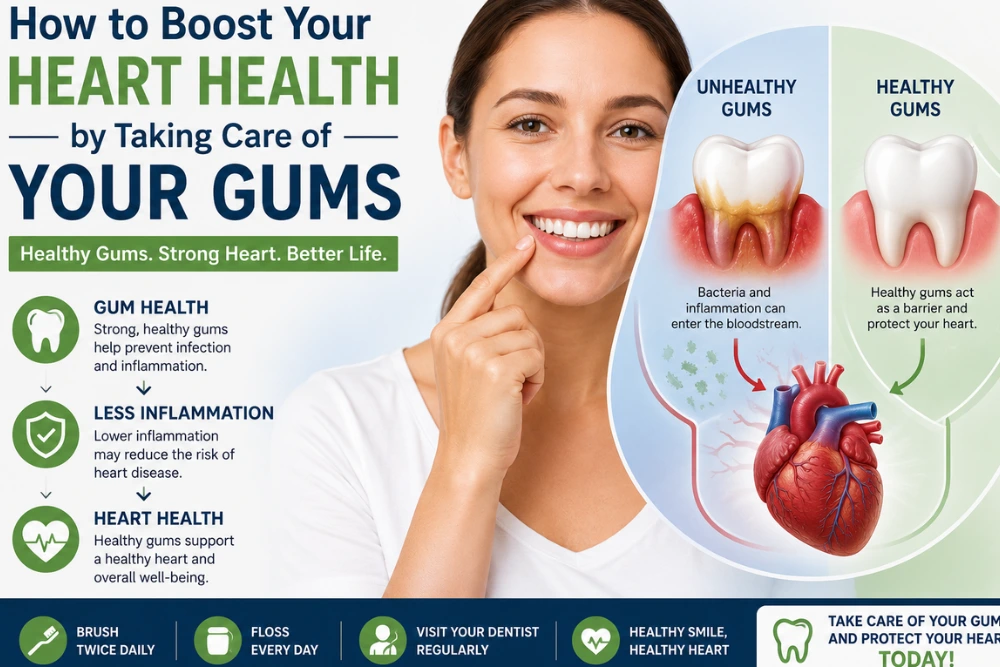
Healthy gums do more than support your teeth. They also play a role in your overall health, including the health of your heart. Research has shown that people with untreated gum disease may have a higher risk of developing cardiovascular conditions. While gum disease does not directly cause heart disease, the chronic inflammation and bacteria associated with periodontal disease may contribute to problems affecting the heart and blood vessels.
Many people ignore bleeding gums because they assume it is normal. In reality, bleeding, swollen, or tender gums are often early warning signs that should not be overlooked. Addressing these symptoms early can improve your oral health and may also benefit your overall well-being.
In this guide, you’ll learn how gum disease and heart health are connected, the symptoms to watch for, available treatment options, and simple habits that can help protect both your smile and your cardiovascular system.
Quick Answer: What Is the Connection Between Gum Disease and Heart Health?
Gum disease and heart health are linked through chronic inflammation and oral bacteria. When periodontal disease is left untreated, bacteria from infected gums can enter the bloodstream, triggering inflammation throughout the body. This ongoing inflammatory response may contribute to the development or progression of cardiovascular diseases, including heart disease and stroke. Maintaining healthy gums is an important part of supporting overall health.
What Is Gum Disease?
Gum disease, also known as periodontal disease, is a bacterial infection that affects the tissues supporting your teeth. It begins with plaque, a sticky film of bacteria that forms on the teeth every day. When plaque isn’t removed through proper brushing and flossing, it hardens into tartar, creating an environment where harmful bacteria thrive.
Over time, these bacteria irritate the gums, leading to inflammation. Without treatment, the infection can spread below the gumline, damaging the connective tissue and bone that hold teeth in place.
According to the American Academy of Periodontology (AAP), periodontal disease is one of the leading causes of tooth loss among adults, yet it is largely preventable with good oral hygiene and professional dental care.
Gingivitis vs. Periodontal Disease
Many people use these terms interchangeably, but they describe different stages of gum disease.
| Gingivitis | Periodontal Disease |
| Early stage of gum disease | Advanced stage of gum disease |
| Gums become red, swollen, and bleed easily | Infection spreads below the gumline |
| No permanent bone loss | Bone and tissue damage can occur |
| Usually reversible | Requires professional treatment |
| Often painless | May lead to loose teeth or tooth loss |
Gingivitis is the body’s first warning that bacteria are causing inflammation. At this stage, improving your oral hygiene and scheduling a professional dental cleaning can often reverse the condition.
Once the infection progresses into periodontitis, treatment becomes more involved because damage to the supporting structures around the teeth has already begun.
What Causes Gum Disease?
Several factors increase the likelihood of developing periodontal disease.
The most common cause is inadequate plaque removal. However, lifestyle choices, medical conditions, and genetics also influence your risk.
Common causes include:
- Poor brushing and flossing habits
- Smoking or tobacco use
- Diabetes
- Dry mouth
- Hormonal changes during pregnancy
- Certain medications
- Family history of periodontal disease
- A weakened immune system
While these factors increase risk, consistent preventive care can significantly reduce the chances of severe gum disease.
Early Signs of Gum Disease
Recognizing the early signs of gum disease gives you the best opportunity to stop the infection before permanent damage occurs.
Watch for symptoms such as:
- Bleeding while brushing or flossing
- Red or swollen gums
- Tender gums
- Persistent bad breath
- Gum recession
- Sensitive teeth
- Changes in your bite
- Loose teeth in advanced cases
Some people experience almost no discomfort until the disease has progressed significantly. That’s why routine dental exams are essential, even if your mouth feels healthy.
[Comprehensive Dental Exams]
How Gum Disease and Heart Health Are Connected
For years, dentists and physicians treated oral health separately from overall health. Today, growing scientific evidence shows that the mouth and body are closely connected.
Researchers continue studying the relationship between oral health and heart disease, and while more research is ongoing, experts generally agree that chronic inflammation plays an important role.
This does not mean gum disease directly causes heart disease. Instead, untreated periodontal disease may increase inflammation throughout the body, which is a known risk factor for cardiovascular problems.
How Oral Bacteria Can Reach the Bloodstream
Healthy gums act as a protective barrier.
When gum tissue becomes inflamed or infected, tiny openings may allow bacteria to enter the bloodstream during everyday activities such as brushing, flossing, or chewing.
Once bacteria circulate through the body, the immune system responds by triggering inflammation. In some individuals, this inflammatory response may contribute to changes inside blood vessels over time.
Scientists continue investigating exactly how oral bacteria influence cardiovascular disease, but maintaining healthy gums is widely recognized as part of a healthy lifestyle.
The Role of Chronic Inflammation
Inflammation is the body’s natural defense against infection.
Normally, inflammation helps the body heal. Problems develop when inflammation becomes chronic.
Periodontal disease creates a long-term inflammatory response because harmful bacteria remain beneath the gums. Instead of resolving, the immune system continues fighting the infection.
Over months or years, persistent inflammation may contribute to:
- Damage to blood vessel walls
- Increased plaque buildup inside the arteries
- Reduced blood vessel function
- Greater strain on the cardiovascular system
This is one reason healthcare professionals encourage patients to prioritize both oral and overall health.
What Research Says About Periodontal Disease and Heart Disease
Numerous studies have examined the relationship between periodontal disease and heart disease.
Organizations, including the American Heart Association (AHA), the American Dental Association (ADA), and the Centers for Disease Control and Prevention (CDC), acknowledge that periodontal disease is associated with cardiovascular disease. While current evidence does not prove that gum disease directly causes heart disease, the association is strong enough that maintaining healthy gums is considered an important part of preventive healthcare.
Researchers have identified several possible explanations:
- Chronic inflammation affects blood vessels.
- Oral bacteria may enter the bloodstream.
- Shared risk factors such as smoking and diabetes increase the likelihood of both conditions.
- People with severe periodontal disease often have higher levels of inflammatory markers linked to cardiovascular disease.
The connection highlights the value of regular dental care as part of a comprehensive wellness routine.
A Real-World Example
Imagine two adults in their 50s. The first schedules preventive dental cleanings every six months, brushes twice daily, flosses regularly, and addresses gum inflammation as soon as it appears.
The second postpones dental visits for several years and ignores bleeding gums because they are painless.
Over time, the second individual may develop advanced periodontal disease, increasing chronic inflammation throughout the body and requiring more extensive treatment. While many factors influence heart health, addressing gum disease early can help reduce one potential source of ongoing inflammation.
This example demonstrates why preventive dental care is about more than protecting your teeth. It supports your overall health.
Who Is Most at Risk for Gum Disease?
Anyone can develop gum disease, but certain health conditions, lifestyle habits, and genetic factors can increase the likelihood of developing periodontal disease. Understanding these risks can help you take preventive steps before serious damage occurs.
Smoking and Tobacco Use
Smoking is one of the most significant risk factors for periodontal disease. Tobacco weakens your immune system, making it harder for your body to fight infection and heal damaged gum tissue.
Smokers often experience fewer visible symptoms, such as bleeding gums, which can delay diagnosis. This means the disease may continue progressing unnoticed until significant damage has occurred.
Quitting smoking not only benefits your lungs and heart but also improves the success rate of periodontal disease treatment and supports healthier gums over time.
Diabetes
People living with diabetes have a higher risk of developing gum disease because elevated blood sugar levels can make it easier for bacteria to thrive and harder for the body to fight infection.
The relationship also works in the opposite direction. Severe periodontal disease may make blood sugar more difficult to control by increasing inflammation throughout the body.
If you have diabetes, maintaining regular dental visits and excellent oral hygiene is an important part of your overall healthcare routine.
Age
The risk of periodontal disease generally increases with age because plaque and tartar have had more time to accumulate. However, gum disease is not a normal part of aging.
With consistent brushing, flossing, professional cleanings, and preventive care, many adults maintain healthy gums throughout their lives.
Genetics and Family History
Some individuals inherit a greater susceptibility to gum disease, even when they practice good oral hygiene.
If close family members have experienced advanced periodontal disease or early tooth loss, let your dentist know. Your dental team may recommend more frequent examinations to monitor your gum health.
Poor Oral Hygiene
Plaque forms on your teeth every day. If it isn’t removed, it hardens into tartar that can only be removed by a dental professional.
Skipping brushing, flossing, or routine dental cleanings allows bacteria to multiply beneath the gumline, increasing the risk of infection and inflammation.
Fortunately, this is one of the most controllable risk factors.
Other Risk Factors
Additional factors that may increase the risk of gum disease include:
- Hormonal changes during pregnancy or menopause
- Chronic stress
- Dry mouth caused by certain medications
- A weakened immune system
- Poor nutrition
- Obesity
- Teeth grinding
- Crooked teeth that are difficult to clean
Understanding your personal risk factors allows you and your dentist to develop a preventive care plan that fits your needs.
Periodontal Disease Treatment Options
One of the most common questions patients ask is, “Can gum disease be treated?”
The answer is yes. The earlier treatment begins, the better the chances of preserving healthy gum tissue and preventing permanent damage.
The right periodontal disease treatment depends on how advanced the infection has become.
Professional Dental Cleaning
If gum disease is diagnosed during its earliest stage, known as gingivitis, a professional dental cleaning may be enough to remove plaque and tartar above the gumline.
Your dentist or dental hygienist will also provide guidance on improving your brushing and flossing routine to prevent the disease from returning.
For many patients, this early intervention completely resolves the inflammation.
Deep Cleaning for Gum Disease
Once bacteria spread below the gumline, a standard cleaning is no longer enough.
Deep cleaning for gum disease, also known as scaling and root planing, removes plaque, tartar, and bacteria from beneath the gums while smoothing the root surfaces. This makes it more difficult for bacteria to reattach and allows the gums to heal.
The procedure is typically completed under local anesthesia to maximize patient comfort.
After treatment, patients may experience mild sensitivity for a few days, but most return to normal activities shortly afterward.
Scaling and Root Planing
Although often referred to as a single procedure, scaling and root planing involve two important steps:
Scaling
Your dentist removes plaque and hardened tartar from above and below the gumline.
Root Planing
The tooth roots are carefully smoothed to reduce bacterial buildup and encourage healthy gum tissue to reattach to the teeth.
For many patients with moderate periodontal disease, this non-surgical treatment is highly effective when combined with excellent home care.
Advanced Periodontal Therapy
If periodontal disease has progressed significantly, your dentist may recommend additional treatments such as:
- Local antibiotic therapy
- Laser-assisted periodontal treatment
- Gum grafting
- Bone grafting
- Pocket reduction surgery
- Referral to a periodontist
The goal is always to control infection, preserve natural teeth whenever possible, and restore long-term oral health.
Why Periodontal Maintenance Matters
Successfully treating gum disease is only the beginning. Without ongoing care, harmful bacteria can return, allowing the infection to develop again.
This is why many patients require periodontal maintenance after completing treatment.
Unlike routine dental cleanings performed every six months, periodontal maintenance appointments are often scheduled every three to four months based on your individual needs.
During these visits, your dental team will:
- Remove plaque and tartar from above and below the gumline.
- Monitor gum pocket depths.
- Evaluate healing.
- Check for signs of recurring infection.
- Reinforce proper home care techniques.
These appointments play a key role in protecting your oral health and reducing the likelihood of future complications.
Daily Habits That Protect Both Your Gums and Your Heart
Healthy gums don’t happen by accident. Consistent daily habits are the foundation of long-term oral health and may also help reduce inflammation associated with periodontal disease.
Here are practical steps you can take every day.
1. Brush Twice a Day
Brush for at least two minutes using a soft-bristled toothbrush and fluoride toothpaste.
Be sure to clean along the gumline, where plaque tends to accumulate.
Replace your toothbrush every three to four months or sooner if the bristles become frayed.
2. Floss Every Day
Your toothbrush can’t reach between your teeth.
Daily flossing removes plaque from these areas before it hardens into tartar, helping prevent gum inflammation and cavities.
If traditional floss is difficult to use, ask your dentist about floss picks, interdental brushes, or water flossers.
- Eat a Balanced Diet
Nutrition affects every part of your body, including your gums.
A diet rich in vegetables, fruits, lean proteins, dairy products, and whole grains provides essential nutrients that support healthy gum tissue and immune function.
Try to limit sugary snacks and beverages that encourage bacterial growth.
4. Stay Hydrated
Saliva naturally helps wash away food particles and bacteria.
Drinking enough water throughout the day supports healthy saliva production and reduces dry mouth, which can increase the risk of gum disease.
5. Avoid Tobacco Products
Smoking slows healing, weakens the immune response, and significantly increases the risk of advanced periodontal disease.
Quitting tobacco is one of the best decisions you can make for both your oral health and your cardiovascular health.
6. Schedule Routine Dental Visits
Even excellent home care cannot remove hardened tartar.
Professional cleanings and comprehensive dental exams allow your dentist to detect problems early and recommend treatment before irreversible damage occurs.
Most patients benefit from dental visits every six months, while those with a history of periodontal disease may need more frequent periodontal maintenance appointments.
Five Simple Steps to Protect Your Gums and Heart
If you’re looking for a practical action plan, start here:
- Brush twice every day with fluoride toothpaste.
- Floss once daily to remove plaque between your teeth.
- Eat a balanced diet and drink plenty of water.
- Avoid smoking and other tobacco products.
- Visit your dentist regularly for preventive care and recommended periodontal maintenance.
These habits may seem simple, but together they can significantly improve your oral health and help reduce the long-term effects of chronic gum inflammation.
Why Prevention Is Better Than Treatment
Many people seek dental care only after experiencing pain or noticeable symptoms. However, gum disease often develops gradually and silently.
Routine preventive care is typically faster, more comfortable, and less expensive than treating advanced periodontal disease. It also helps preserve your natural teeth and reduces the need for more complex procedures in the future.
By taking small, consistent steps today, you can lower your risk of developing serious gum problems while supporting your overall health.
When Should You See a Dentist?
Many people wait until they experience severe pain before scheduling a dental appointment. Unfortunately, gum disease often progresses without causing significant discomfort in its early stages. By the time pain develops, the infection may have already damaged the supporting tissues around your teeth.
Scheduling routine dental exams allows your dentist to detect problems before they become more serious and expensive to treat.
Warning Signs You Shouldn’t Ignore
Contact your dentist if you notice any of the following symptoms:
- Gums that bleed during brushing or flossing
- Persistent bad breath that doesn’t improve
- Red, swollen, or tender gums
- Gum recession or teeth that appear longer
- Loose or shifting teeth
- Pain while chewing
- Pus between your teeth and gums
- Changes in the way your teeth fit together
These symptoms may indicate gingivitis or a more advanced form of periodontal disease. Early diagnosis can improve treatment outcomes and help preserve your natural teeth.
What to Expect During a Periodontal Evaluation
If your dentist suspects gum disease, they’ll perform a comprehensive periodontal evaluation. This assessment helps determine the severity of the infection and the most appropriate treatment plan.
During the visit, your dentist or dental hygienist may:
- Review your medical and dental history.
- Examine your gums for signs of inflammation.
- Measure periodontal pocket depths.
- Check for gum recession.
- Evaluate tooth mobility.
- Take dental X-rays if needed.
- Recommend an appropriate treatment plan.
Early-stage gum disease may only require a professional cleaning and improved home care. More advanced cases may involve scaling and root planing, antimicrobial therapy, or referral to a periodontist.
Myth vs. Fact: Gum Disease and Heart Health
Misinformation often prevents people from seeking timely treatment. Let’s separate common myths from the facts.
| Myth | Fact |
| Bleeding gums are normal. | Healthy gums should not bleed regularly. |
| Gum disease only affects your mouth. | Research shows an association between periodontal disease and several systemic health conditions, including cardiovascular disease. |
| If my gums don’t hurt, they’re healthy. | Gum disease is often painless in its early stages. |
| Professional cleanings aren’t necessary if I brush daily. | Home care is essential, but professional cleanings remove tartar that brushing cannot. |
| Tooth loss is a normal part of aging. | Healthy teeth can last a lifetime with proper oral care and routine dental treatment. |
Understanding these facts helps you make informed decisions about your oral health before problems become more severe.
How to Keep Your Gums and Heart Healthy for Life
Protecting your oral health doesn’t require complicated routines. Small, consistent habits can significantly reduce your risk of gum disease.
Daily Habits That Make a Difference
- Brush your teeth twice each day using fluoride toothpaste.
- Floss daily to remove plaque between teeth.
- Clean your tongue regularly.
- Limit sugary foods and beverages.
- Drink plenty of water.
- Avoid smoking or using tobacco products.
- Eat a balanced diet rich in fruits, vegetables, lean proteins, and whole grains.
- Schedule routine dental cleanings and examinations.
- Follow your dentist’s recommendations for periodontal maintenance if you’ve previously been treated for gum disease.
These habits support healthy gums while also contributing to better overall wellness.
The Bigger Picture: Oral Health Is Part of Whole-Body Health
Your mouth is closely connected to the rest of your body.
Healthy gums reduce chronic inflammation, improve your ability to eat comfortably, and help preserve your natural teeth. Good oral health also supports a better quality of life, allowing you to speak, smile, and enjoy your favorite foods with confidence.
Although brushing and flossing cannot prevent every medical condition, they are simple habits that contribute to a healthier lifestyle. When combined with regular medical care, exercise, and balanced nutrition, preventive dental care becomes an important part of maintaining long-term health.
Final Thoughts
Your gums are more than the foundation of a healthy smile. They are part of a larger picture that includes your overall well-being.
Paying attention to bleeding gums, scheduling regular dental checkups, and seeking treatment when needed can help protect your teeth while reducing chronic inflammation associated with periodontal disease. These simple steps not only improve your oral health but also support healthier daily living.
If you’ve noticed symptoms such as bleeding gums, persistent bad breath, or gum recession, don’t wait until the problem becomes more serious. An early evaluation allows your dental team to recommend the right treatment and help you maintain healthy gums for years to come.
Call to Action: If you’re concerned about your gum health or are experiencing symptoms of periodontal disease, schedule a comprehensive periodontal evaluation with the team at Essentials Dental. Early care can help preserve your smile and support your long-term health.
Key Takeaways
If you remember only a few points from this guide, make them these:
- Gum disease and heart health are connected through chronic inflammation and oral bacteria.
- Bleeding gums should never be ignored.
- Recognizing the early signs of gum disease allows for earlier, more effective treatment.
- Professional periodontal disease treatment helps stop the progression of infection.
- Deep cleaning for gum disease is often recommended for moderate to advanced periodontal disease.
- Ongoing periodontal maintenance helps prevent the disease from returning.
- Practicing good oral hygiene and attending regular dental visits supports both your smile and your overall health.
Frequently Asked Questions
Can gum disease increase the risk of heart disease?
Research has found an association between gum disease and cardiovascular disease. Scientists believe chronic inflammation and oral bacteria may contribute to cardiovascular problems, although gum disease has not been proven to directly cause heart disease.
What are the earliest signs of gum disease?
The most common early signs of gum disease include bleeding while brushing or flossing, swollen gums, redness, tenderness, persistent bad breath, and gum recession.
Can gum disease be reversed?
Yes. Gingivitis, the earliest stage of gum disease, can usually be reversed with improved oral hygiene and professional dental cleanings. Once it progresses to periodontitis, treatment focuses on managing the condition and preventing further damage.
What is deep cleaning for gum disease?
Deep cleaning for gum disease, also known as scaling and root planing, is a non-surgical procedure that removes plaque and tartar from below the gumline while smoothing the tooth roots to encourage gum healing.
What is periodontal maintenance?
Periodontal maintenance is an ongoing preventive cleaning schedule designed for patients who have previously been treated for periodontal disease. These visits help control bacteria, monitor gum health, and reduce the risk of recurrence.
How often should periodontal maintenance be scheduled?
Many patients benefit from periodontal maintenance every three to four months, although your dentist will recommend a schedule based on your individual needs and oral health status.
Can brushing and flossing alone cure gum disease?
Good oral hygiene is essential, but once tartar forms below the gumline, professional treatment is typically required. Brushing and flossing help prevent gum disease and support recovery after treatment.
Who is most at risk for periodontal disease?
Risk factors include smoking, diabetes, poor oral hygiene, certain medications, genetics, hormonal changes, and advancing age.
Does treating gum disease improve heart health?
Treating gum disease reduces oral inflammation and improves overall oral health. While ongoing research continues to examine its direct impact on cardiovascular disease, maintaining healthy gums is widely recommended as part of a healthy lifestyle.


